What is the Gen AI course at TechPanda?
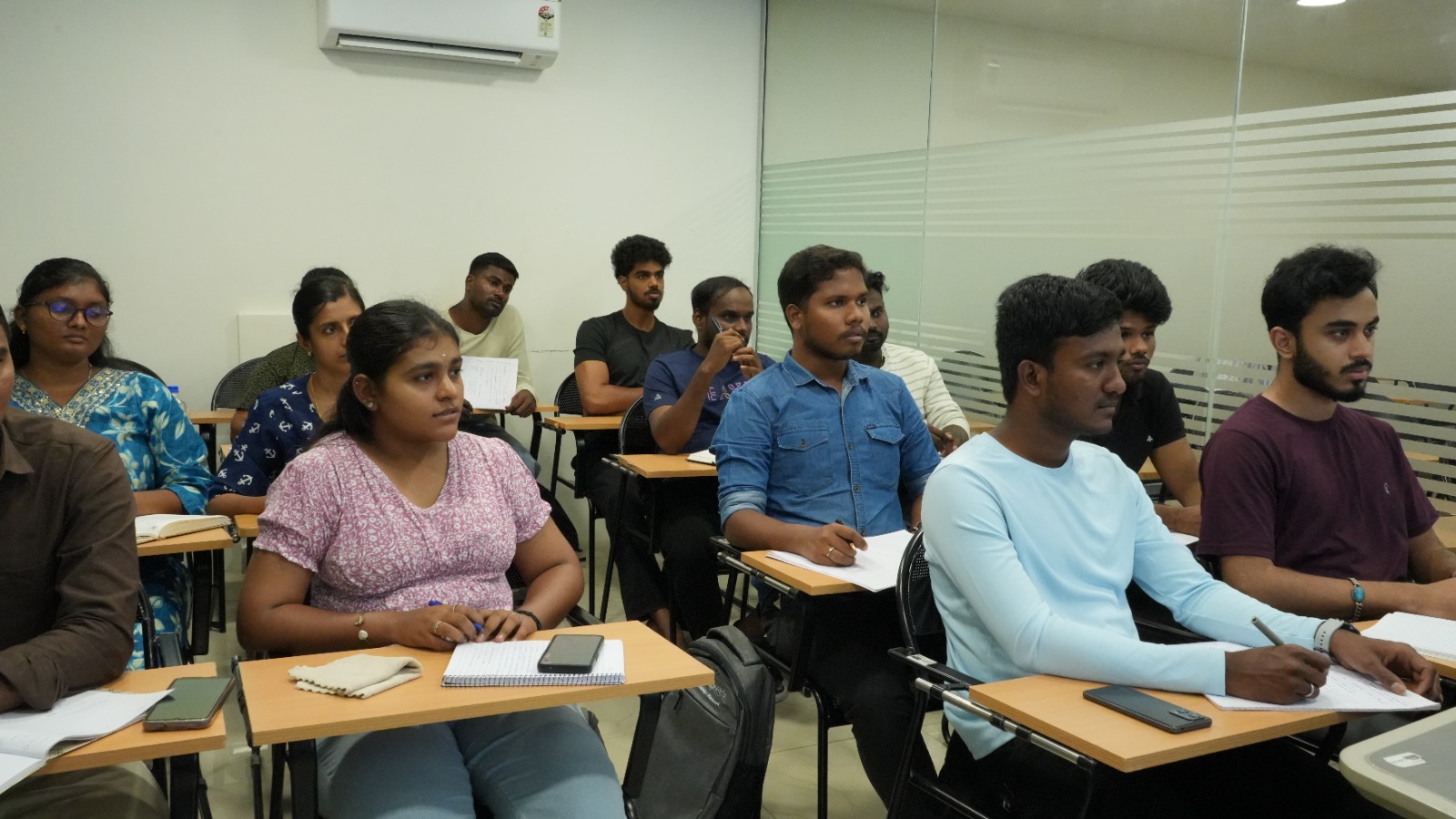
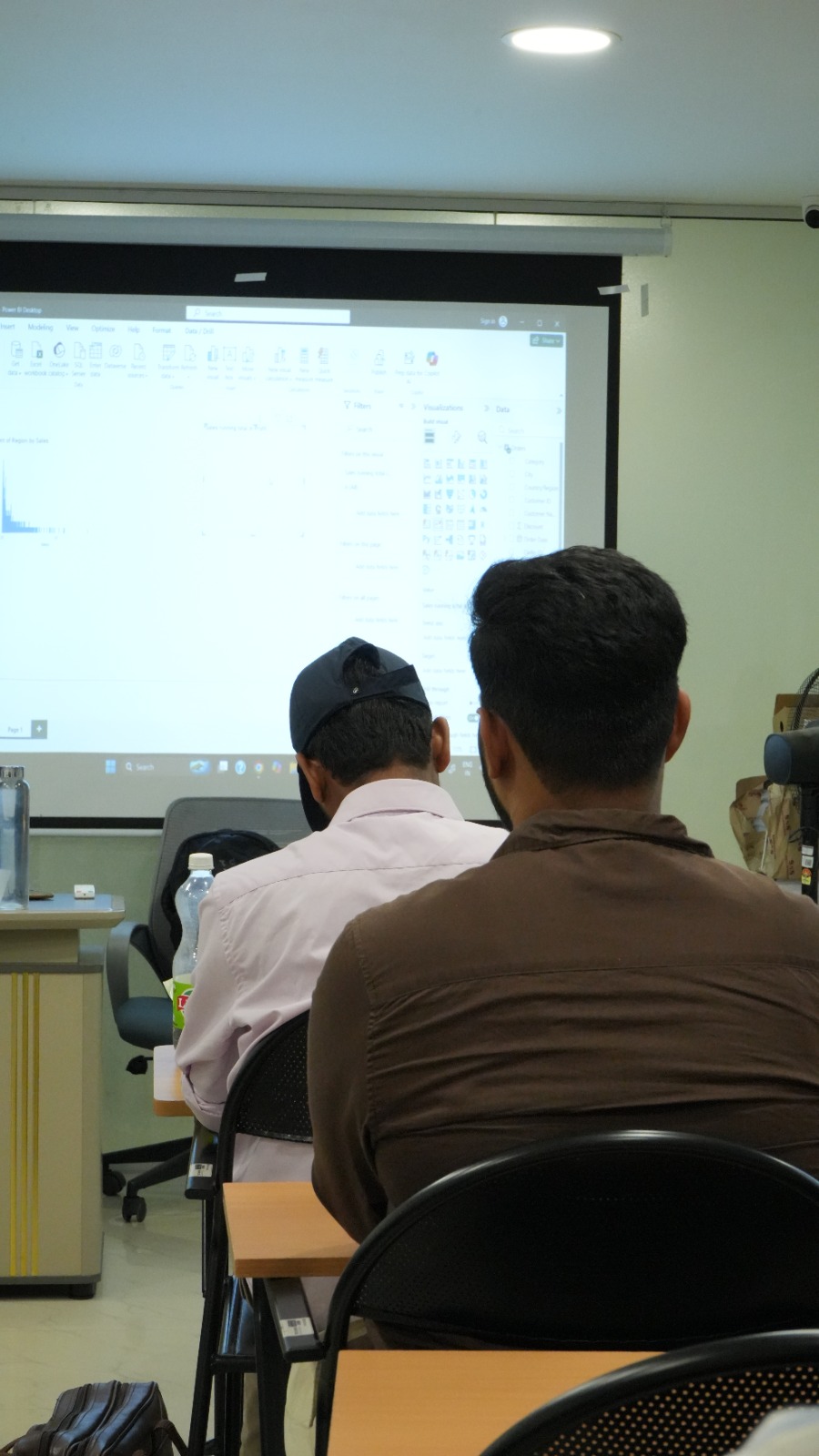
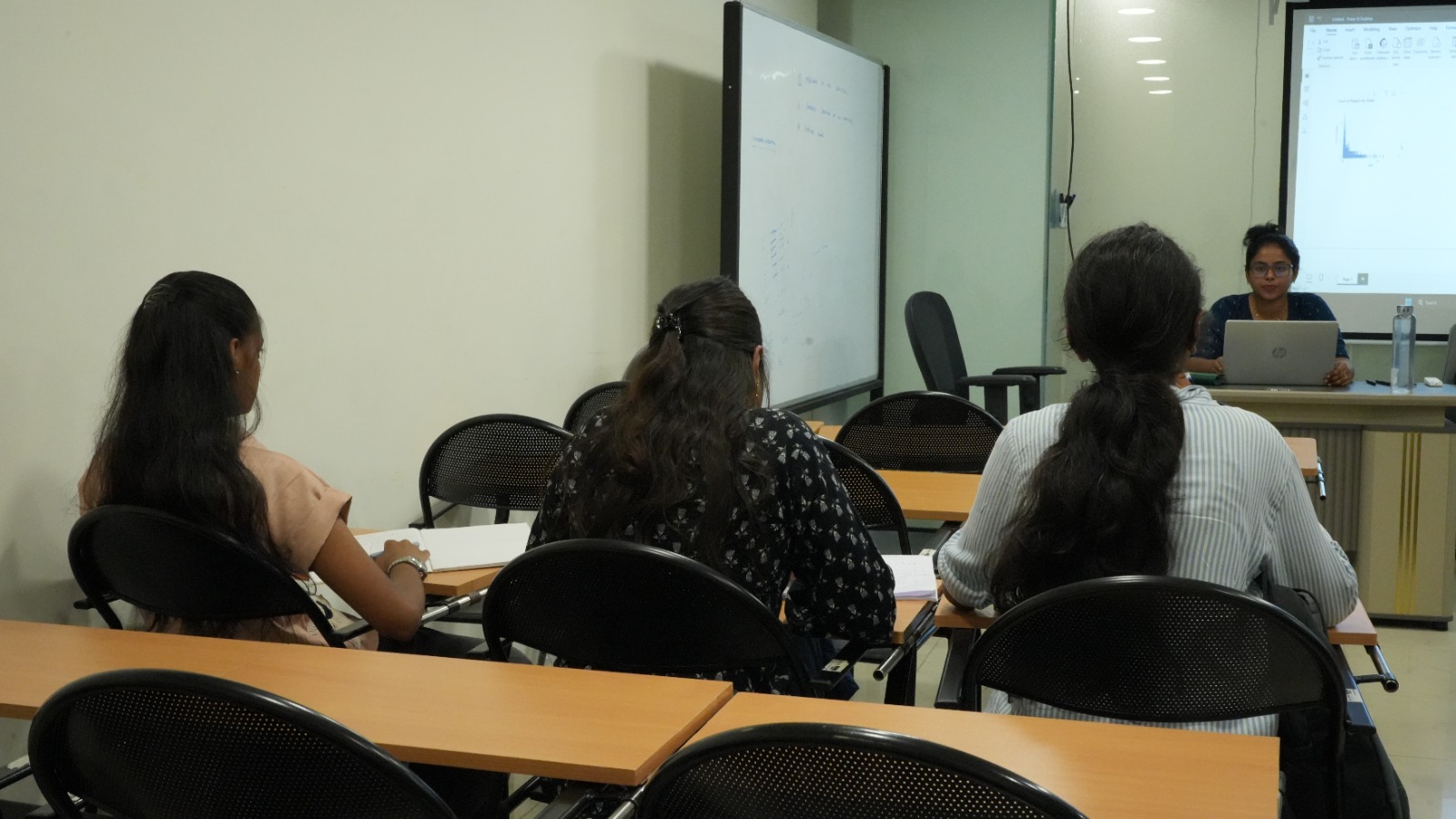
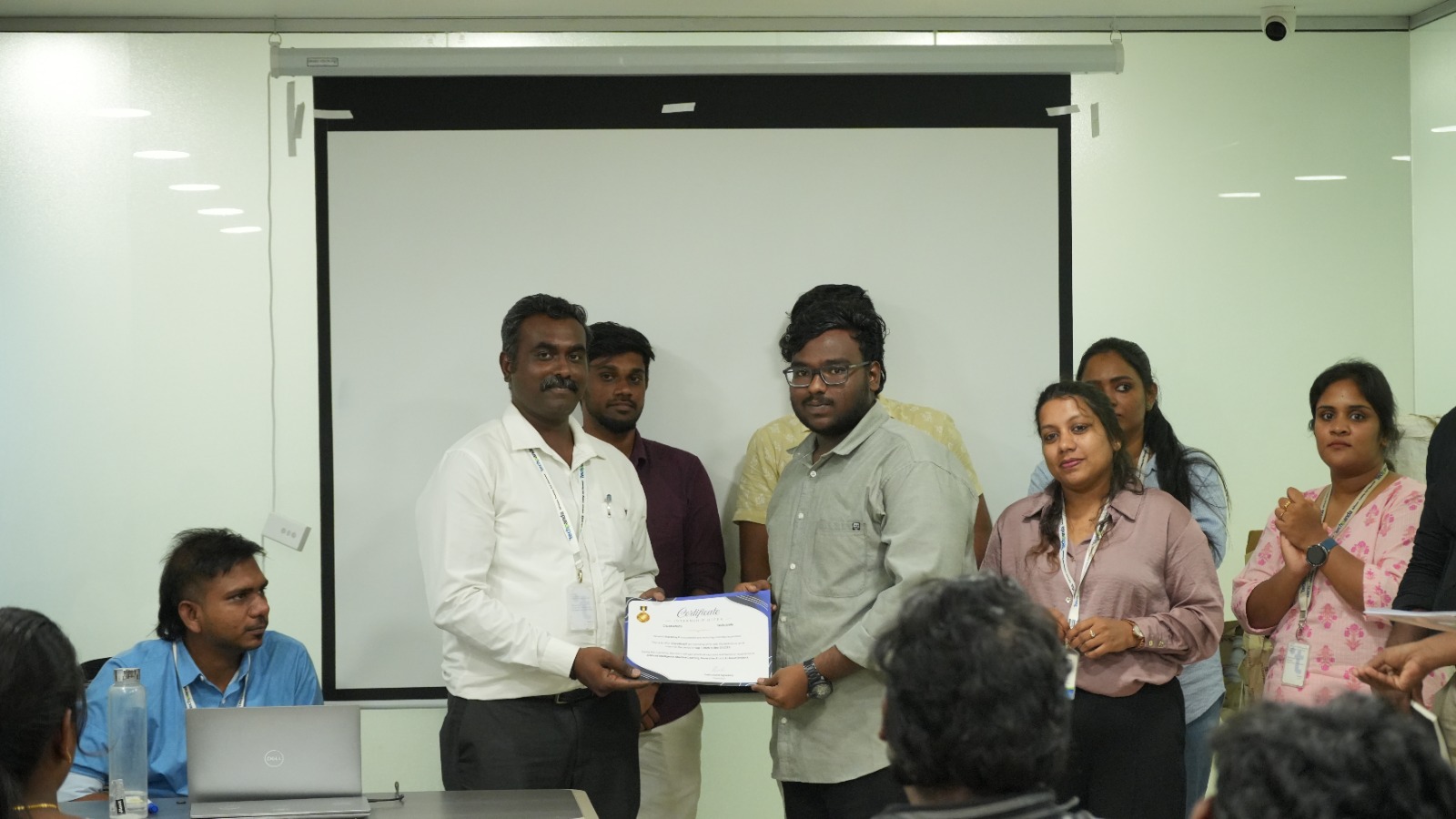
TechPanda's Gen AI course is a 3-month professional training program in Generative AI that covers Python, machine learning, LLMs, RAG, LangChain and agentic AI. You finish with an end-to-end capstone project and a TechPanda certificate of completion.
The course is called Generative AI Engineer (LLMs and Automation). It works with Python, OpenAI, Gemini, Hugging Face, LangChain, vector databases, Microsoft AutoGen and Semantic Kernel, so you practise on the tools that Gen AI teams use for LLM applications and automation.
3 monthsProfessional training program in Generative AI
17 modulesFrom Python and SQL to a capstone project
Real Time projectsFour industry projects and one live client project
All Tools CoveredLive mentoring in industry projects

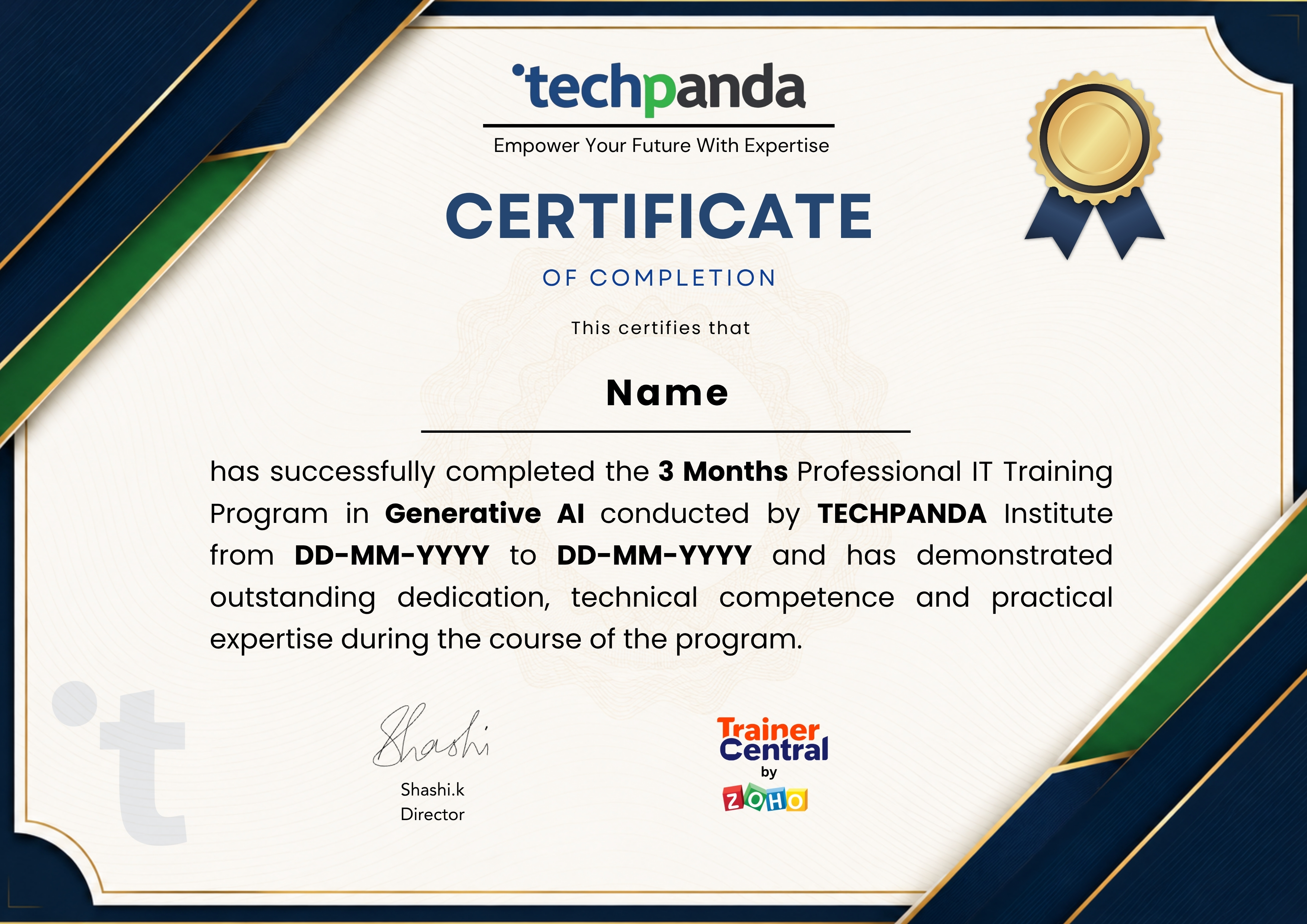
.jpeg)